Our Community Vetting Process
At Pure Bayanihan, we believe in transparency and credibility. Our rigorous vetting process ensures we support initiatives that are both feasible and aligned with community needs.
Our Community Vetting Process
At Pure Bayanihan, we believe in transparency and credibility. Our rigorous vetting process ensures we support initiatives that are both feasible and aligned with community needs.
How We Engage Communities
Outreach
We actively seek individuals and organizations passionate about serving marginalized communities.
Exploration
We engage in open communication
with potential Partner Advocates (PAs)
to understand their motivations and community network. We encourage PAs
to share their knowledge about local community challenges.
Identification
We identify a trusted local leader
or organization deeply rooted in
the community as our primary point
of contact.
Vetting
We conduct a comprehensive vetting process for the PA and Community Leader to ensure alignment with Pure Bayanihan’s mission and values.
Assessment
We collaborate with the PA and Community Leader to assess the community’s most pressing challenges.
Formalization
We formalize the partnership through
a written agreement outlining roles, responsibilities, and expectations.
Ongoing Engagement
We provide continuous support, resources, and guidance to our partners, maintaining open communication to address challenges.
What We Look For
Our comprehensive process ensures that every project we support is credible, trusted, and truly beneficial to the communities we serve. Your support makes this possible, and we’re committed to maintaining the highest standards of transparency and accountability.
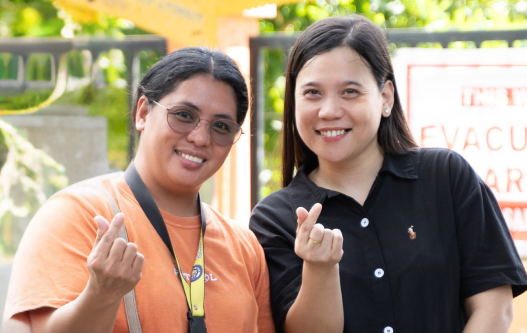
In Our Partners
-
Alignment with Pure Bayanihan’s mission -
Respected community position -
Strong commitment and reliability -
Valuable insights and collaborative spirit -
High ethical standards -
Diverse representation
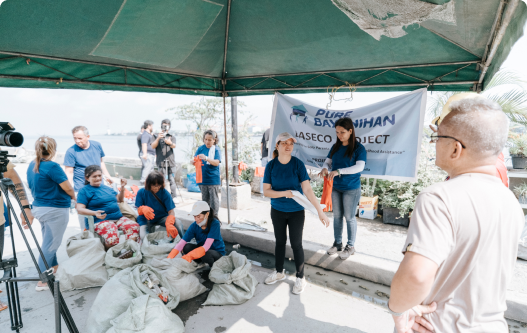
In Communities
-
Economic vulnerability -
Clear need for livelihood support -
Willingness to participate -
Strong local leadership -
Alignment with our objectives -
Commitment to inclusivity and sustainability -
Active community engagement

Eligibility Criteria
Communities eligible for nomination should meet the following criteria:
Economic Vulnerability
There should be a clear need for livelihood support within the community, indicated by factors such as low household income, food insecurity, or reliance on unstable or unsustainable livelihoods.
Need for livelihood support
There should be a clear need for livelihood support within the community, indicated by factors such as low household income, food insecurity, or reliance on unstable or unsustainable livelihoods.
Geographical Location
The community should be in regions or areas with high levels of poverty, unemployment, or economic vulnerability; remote or marginalized areas that face additional challenges in accessing livelihood opportunities, such as rural villages or urban slums.
Capacity and willingness to participate
- Nominated beneficiaries must have the capacity to execute the livelihood idea and must have the willingness to undertake necessary training as available.
- The community should demonstrate the capacity and willingness to actively participate in and benefit from livelihood interventions, including engagement in project planning, implementation, and monitoring.
Local leadership and support
Must be represented by a community leader (church pastor, social worker, teacher) who has strong leadership and support from local authorities, communities, and stakeholders to oversee the project implementation and ensure the success and sustainability of livelihood projects.
Alignment with project objectives
The community’s needs and priorities should align with the objectives and focus areas of the livelihood projects, ensuring that interventions are relevant, feasible, and responsive to local realities.
Inclusivity and equity
Efforts should be made to ensure that the selection process is inclusive and equitable, considering the needs and interests of marginalized or vulnerable groups within the community, such as women, youth, persons with disabilities, and ethnic minorities.
Sustainability
The community should demonstrate a commitment to the long-term sustainability of livelihood initiatives, including the ability to manage and maintain project assets, resources, and activities beyond the duration of external support.
Community engagement and ownership
Strong community engagement and ownership of livelihood projects, with active participation in decision-making processes, project planning, and implementation to ensure relevance, effectiveness, and sustainability.
Bayanihan Corporate Partners